
Research
The Dhan Su Kagad Project
Identifying and describing historical papers made in the Indus river basin region.
The concept
ਧੰਨੁਸੁਕਾਗਦੁਕਲਮਧੰਨੁਧਨੁਭਾਂਡਾਧਨੁਮਸੁ ॥
ਧਨੁਲੇਖਾਰੀਨਾਨਕਾਜਿਨਿਨਾਮੁਲਿਖਾਇਆਸਚੁ ॥
Blessed is the paper, reed-pen, ink-pot and ink, blessed is the scribe; who inscribes truth.
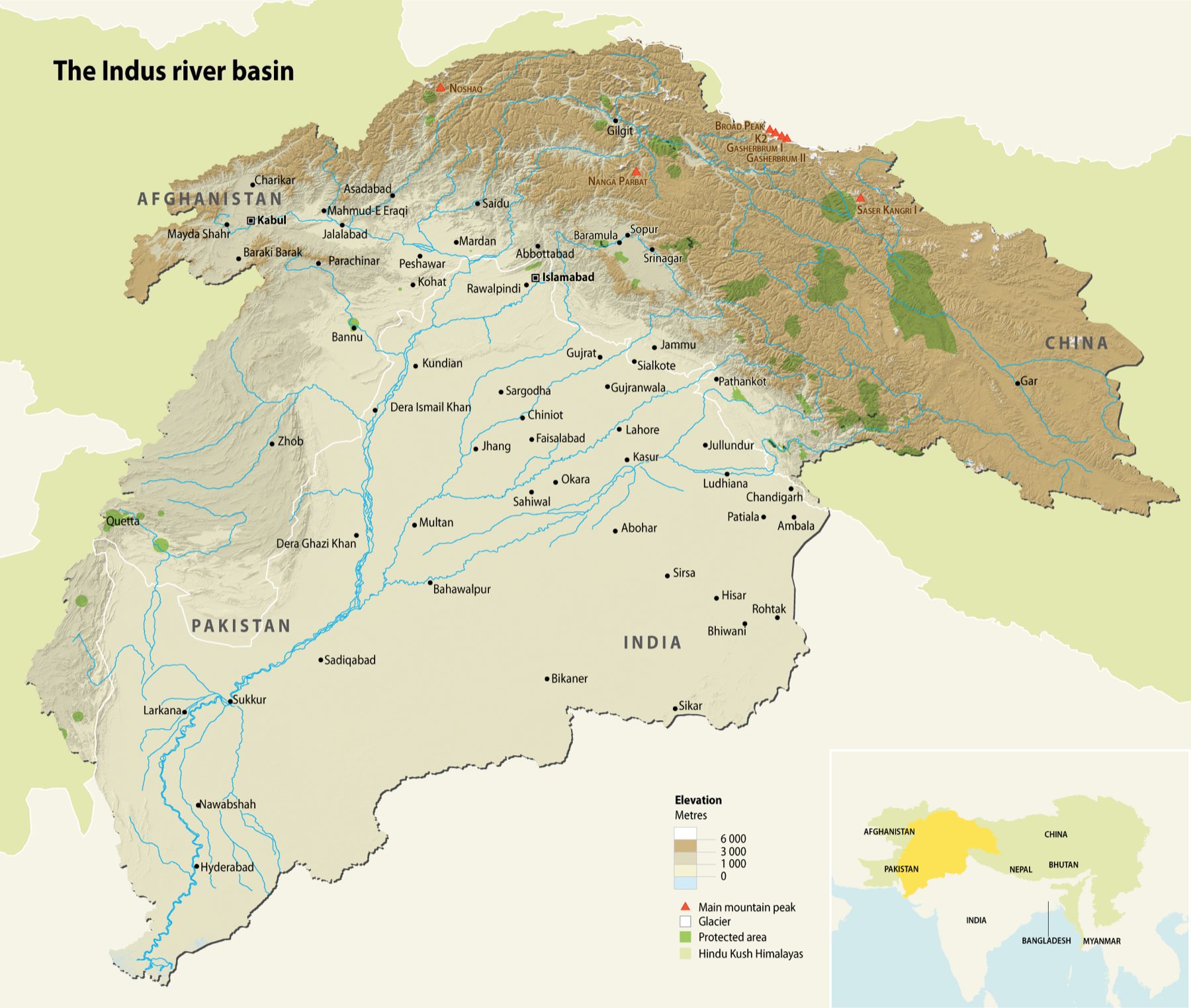
Most historic Gurbani scriptures were written in the region of Panjab. This was part of a larger region which incorporated the entire basin of the Indus river system. This region includes the modern territories of East Panjab (India), West Panjab (Pakistan), Himachal Pradesh (India), Jammu and Kashmir (India and Pakistan) as well as portions of Sindh (Pakistan), Khyber Pakhtunkhwa (Pakistan), Haryana (India) and Rajasthan (India).
As with other regions in South Asia, it had an extraordinarily rich tradition of paper-making. Sadly, this tradition had mostly ended by the mid-20th century. Handmade paper was essential to the artistic and book-making traditions of the region, yet it has not been technically analysed or categorised into types. Since almost all Sikh manuscripts were written on handmade papers, a database of Indus river basin papers would be of great benefit for the study of Sikh manuscripts.
The initial project
The Dhan Su Kagad project ("blessed is the paper") was created to survey representative paper samples from the Sikh tradition. The project launched in 2018 after receiving the Frederick Bearman Research Grant from the Icon Book and Paper Group.
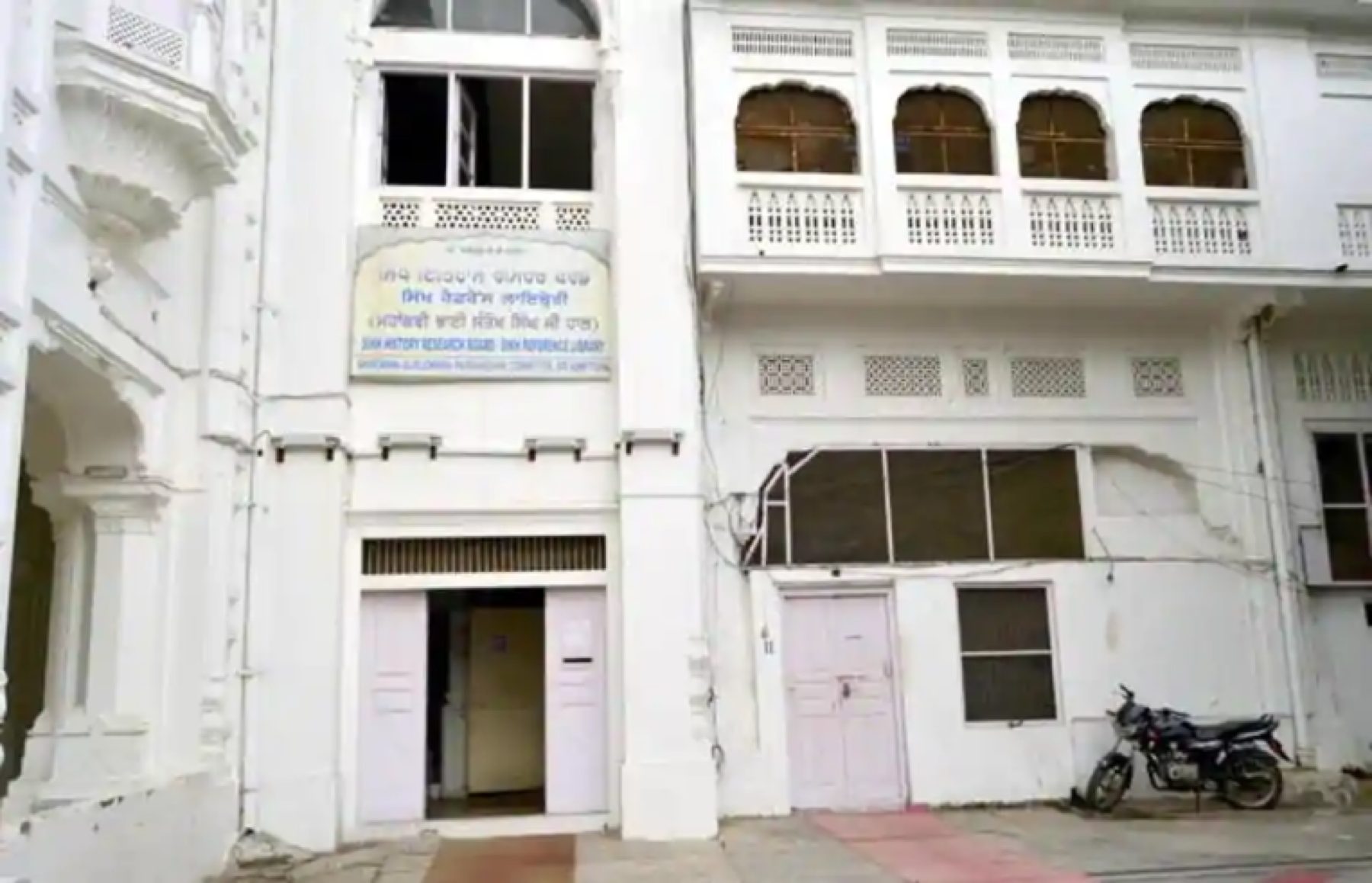
The grant funded a research trip to Amritsar where papers from over 20 Gurmukhi manuscripts were examined at Guru Nanak Dev University and the Sikh Reference Library. Gurmukhi manuscripts from UK collections were then analysed, collecting approximately 50 data specimens in total. The project initially focused on the Sikh tradition because of its significance for Pothi Seva and its wide span in time, from the 15th to the 20th century.
The survey involved recording a wide variety of physical features in order to understand how differences in tools, methods and materials show in the finished sheet. A blog post sharing initial findings was published on the Icon Book and Paper Group blog, and more comprehensive research was presented at the Frederick Bearman Memorial Lecture in December 2018.
PhD research
The initial project revealed the need for deeper investigation. This prompted Jasdip Singh Dhillon to pursue a PhD at SOAS, University of London, to examine the topic comprehensively. The expanded scope includes papers from the entire Indus river basin region, encompassing Gurmukhi manuscripts, Mughal manuscripts, Pahari paintings and archival documents.
This project will examine how changes in papermaking reflect wider processes of historical change by linking changes in the physical features of historic papers to changes to the physical and human landscape of the Indus river basin region.
As a by-product of human activity, handmade paper can be studied as an artefact in itself. Changes in colour, thickness and texture can be indicative of wider events and processes including wars, invasions and shifts in agriculture.
The research has two main aims:
- Build a taxonomy of paper types to help describe paper.
- Explore the wider factors which shaped the features of these paper types.
Methods
In addition to basic textual and codicological data, the following measurements are recorded:
- Concentration of laid lines
- Chain line patterns
- Sheet dimensions
- Average thickness
- Fibre appearance under a microscope
- Technical categorisation of colour according to the Munsell system