

A journey into film conservation: reflections on the 7th Film Heritage Foundation workshop
A Baba Shaam Singh Scholarship recipient on preserving Panjabi film heritage, and what old yatra footage can tell us about lost asthans.
Readਸੰਭਾਲ ਸੇਵਾ Conservation of Sikh manuscripts
Pothi Seva is a registered charity of professional book and paper conservators and trained volunteers. We repair Gurmukhi Pothi Sahibs, Guru Granth Sahib Sarups and printed books, and advise the families, Gurdwaras and institutions who look after them. There is no set fee: the seva runs on voluntary donations.
What we do
Pothi Seva means any aspect of caring for Pothi Sahibs. Our work sits in three parts: the physical repair of damaged books, advice for those who keep them, and the training and research that keep the craft alive.
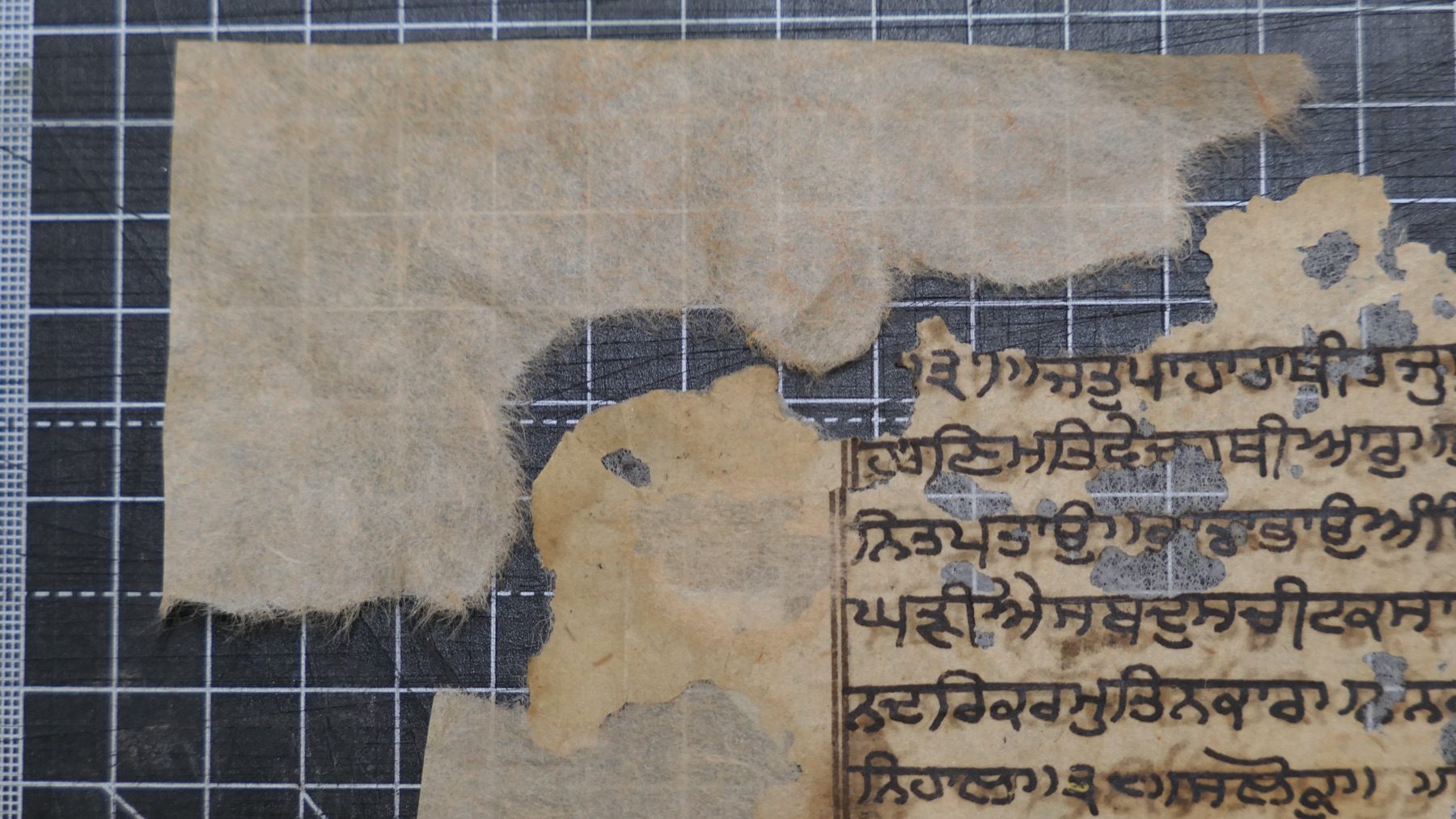
Repair of Gurmukhi Pothis, Gutkas, Guru Granth Sahib Sarups and printed books: torn and fragile angs, broken sewing, detached boards, old tape and past repairs. The condition is documented before work begins and a record of the work comes back with the book.
Request seva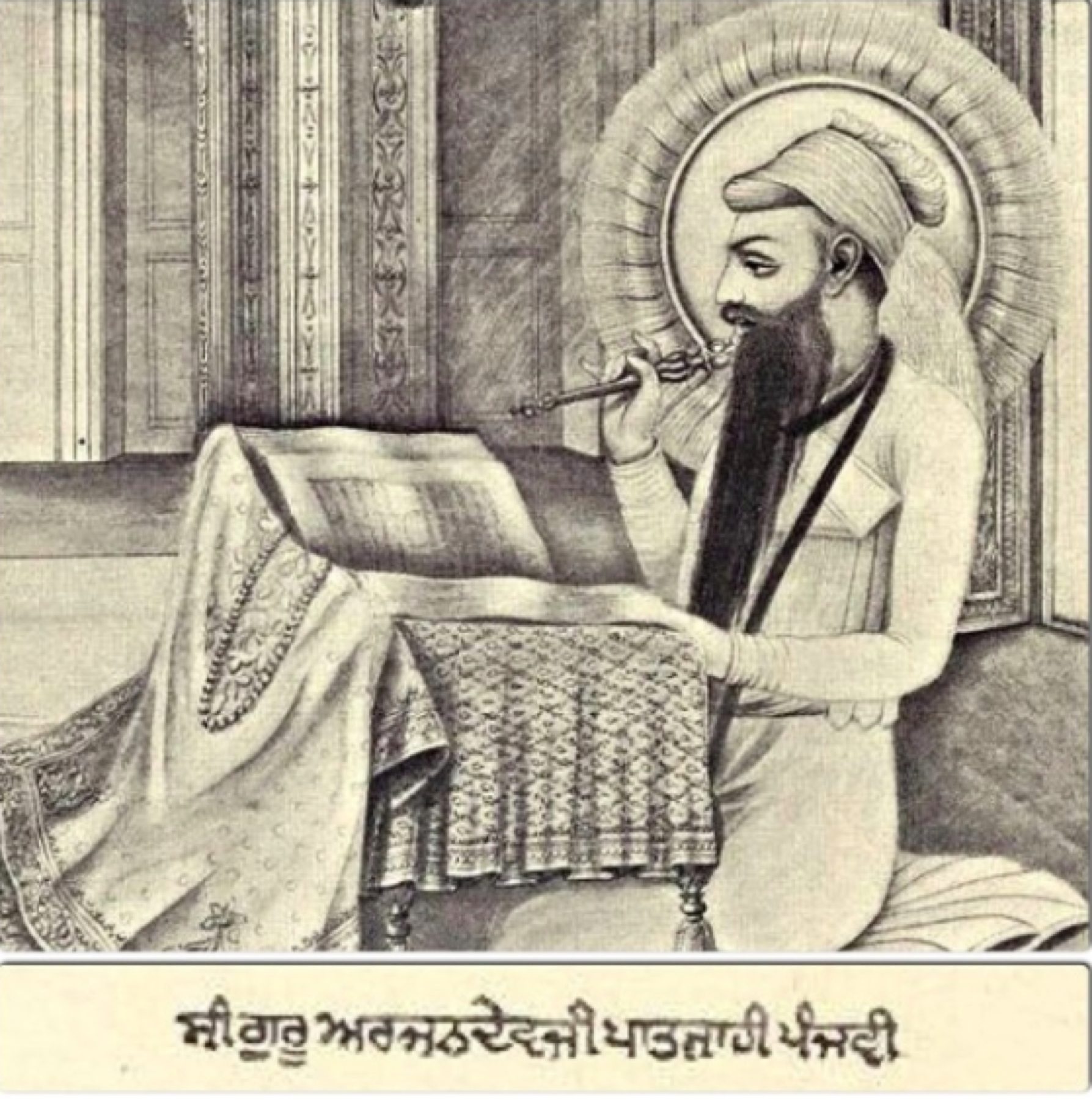
Guidance for individuals, Gurdwaras and institutions who are custodians of Pothi Sahibs and Gurmukhi books: how to handle, store, wrap and support them, and what to do when damage is found.
What is Pothi Seva?
Free training for volunteers at weekly seva sessions, a scholarship for study and training in Sikh heritage conservation, and the Dhan Su Kagad Project on the historic handmade papers of the Indus river basin.
Join a seva session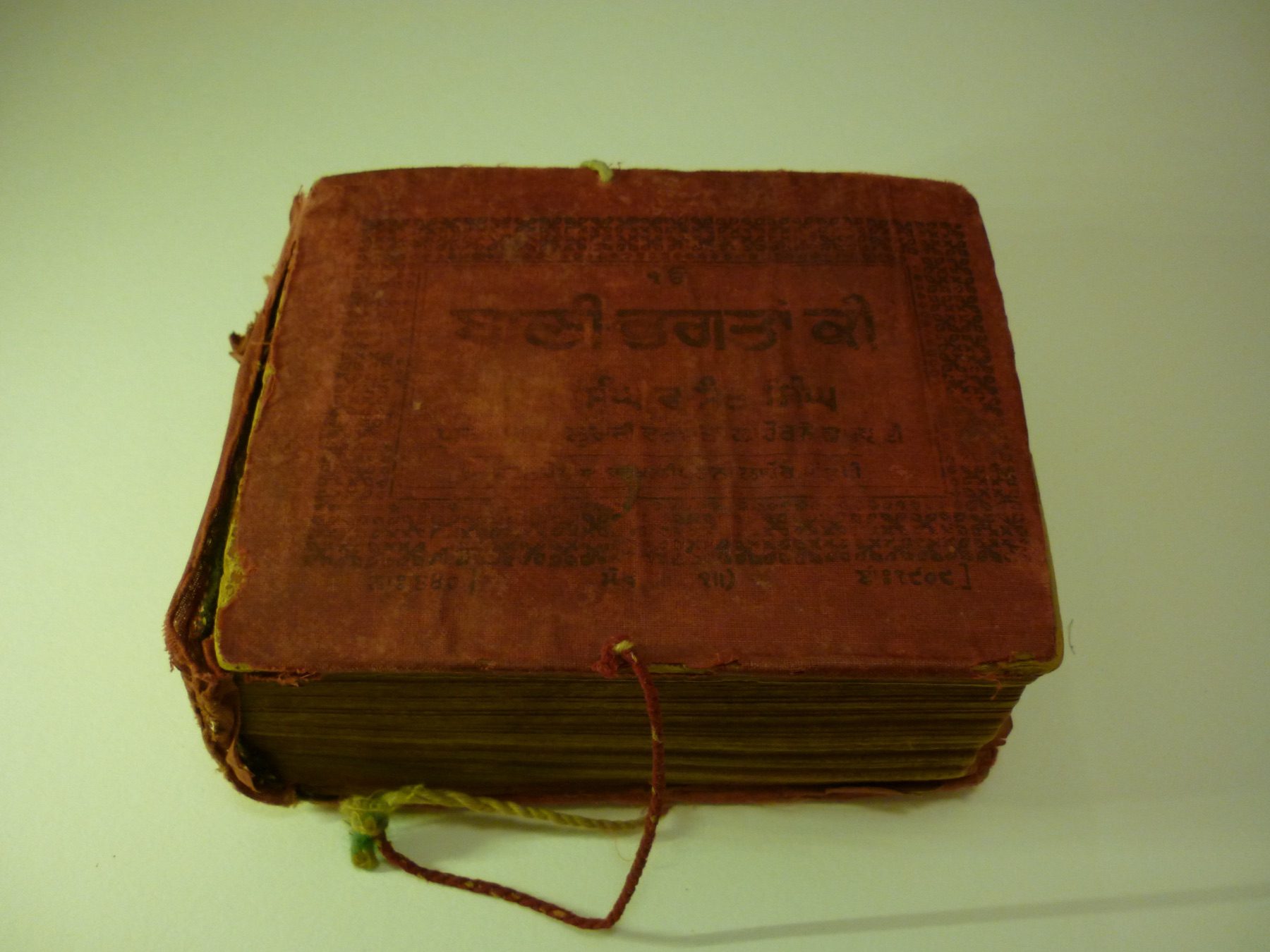
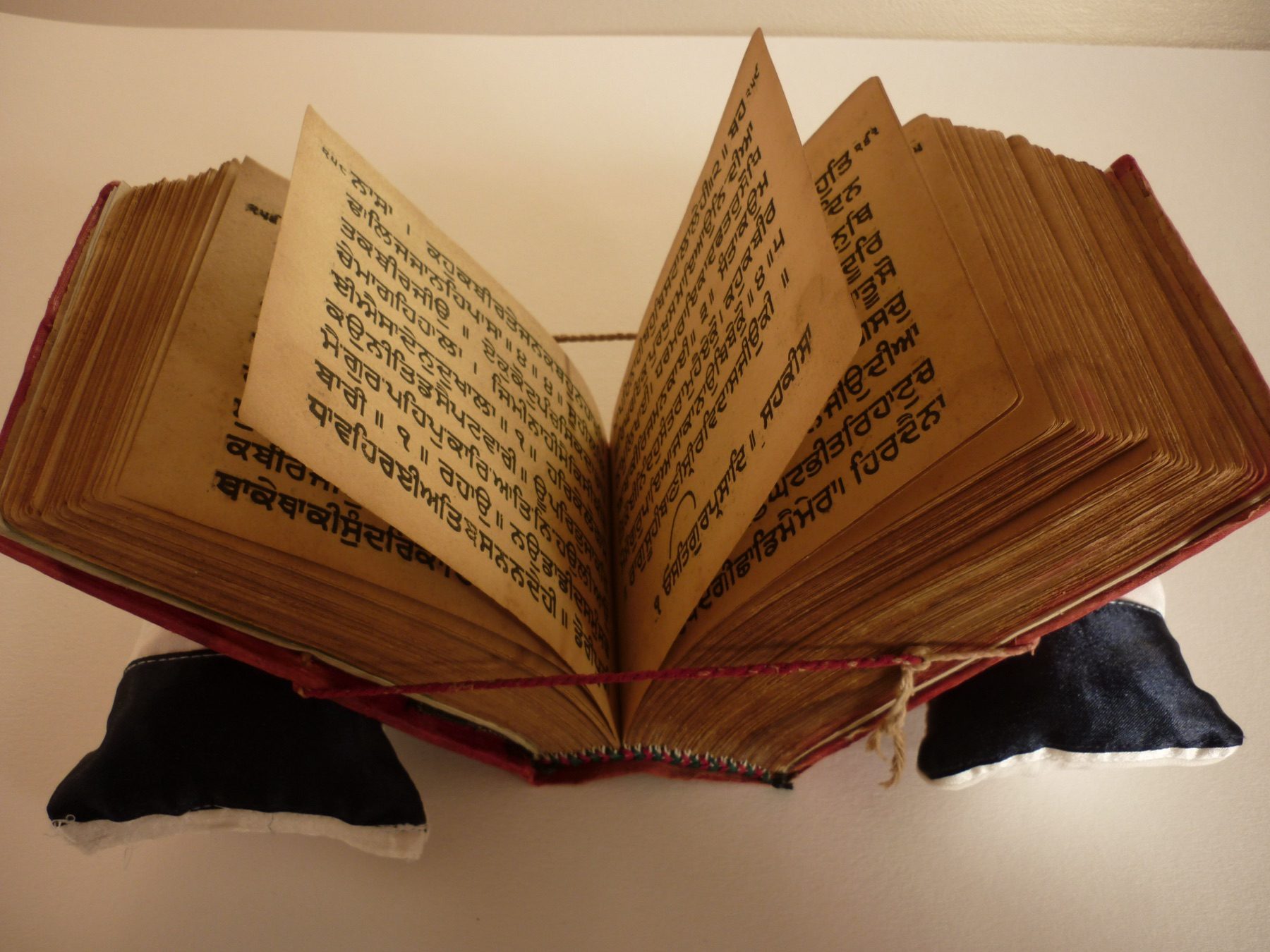
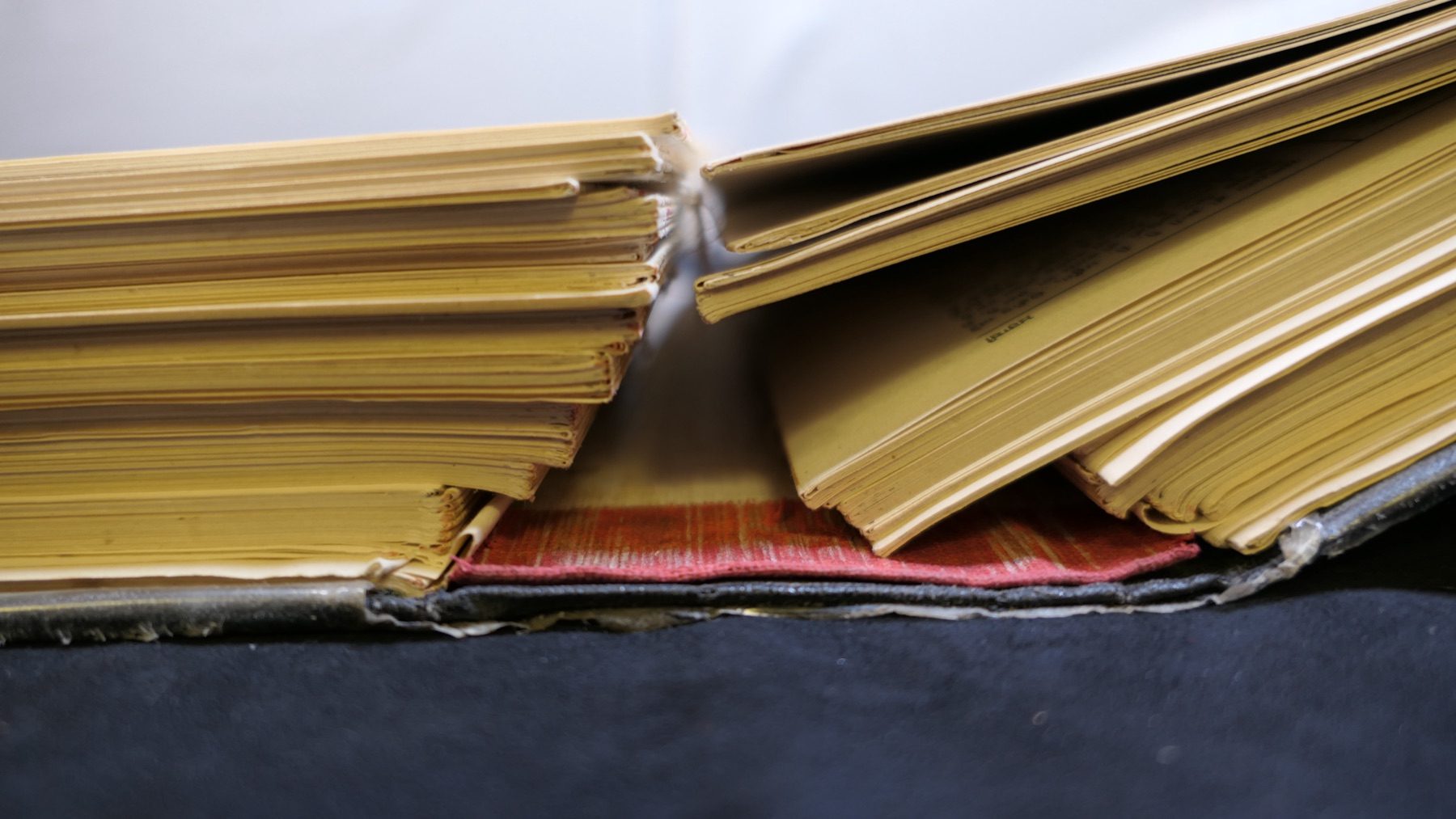
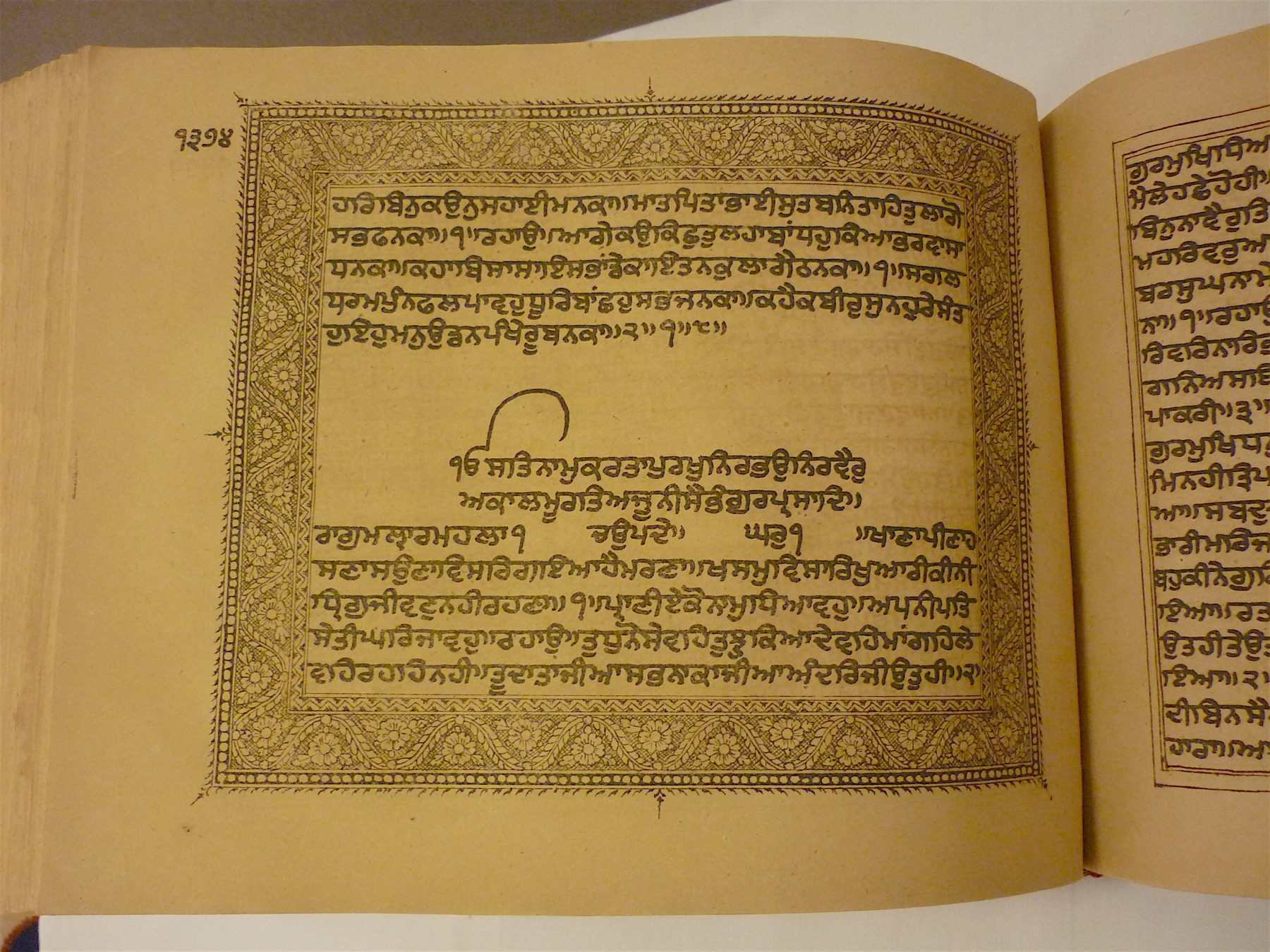
Bhagat Bani Pothi, printed on a Caxton hand press in Lahore in 1908. Repaired by one sevadar over many months.
From the workshop
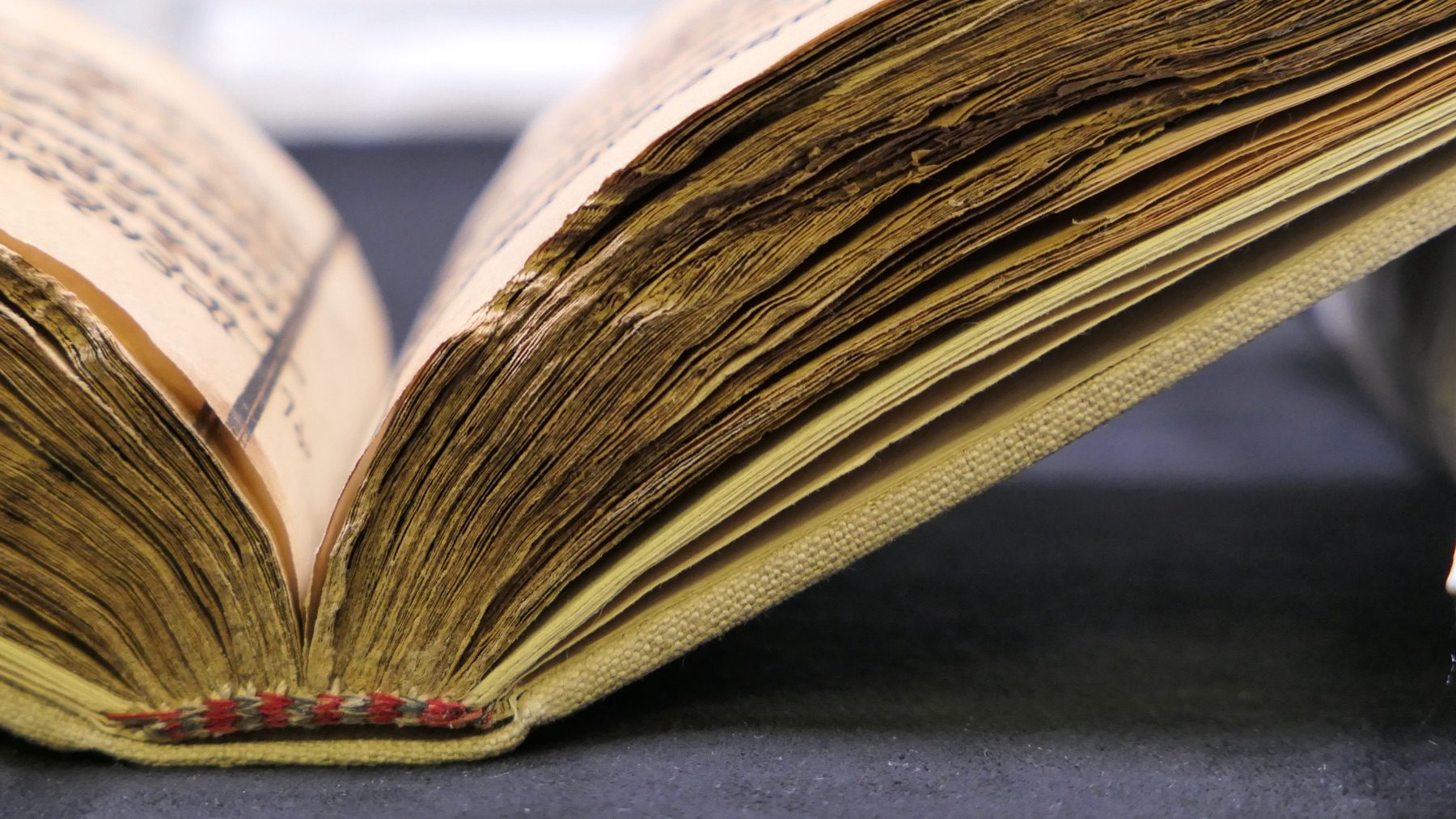
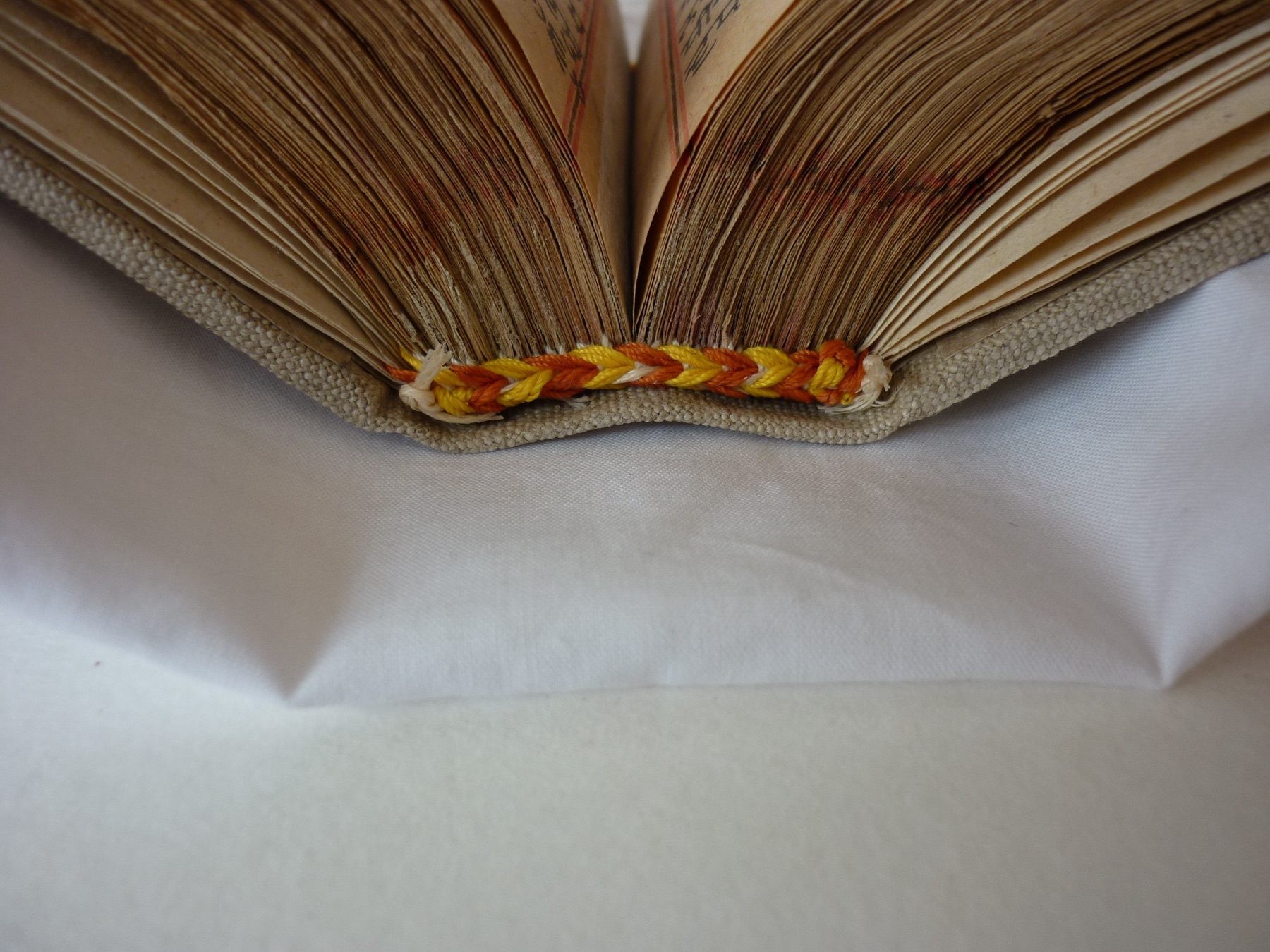
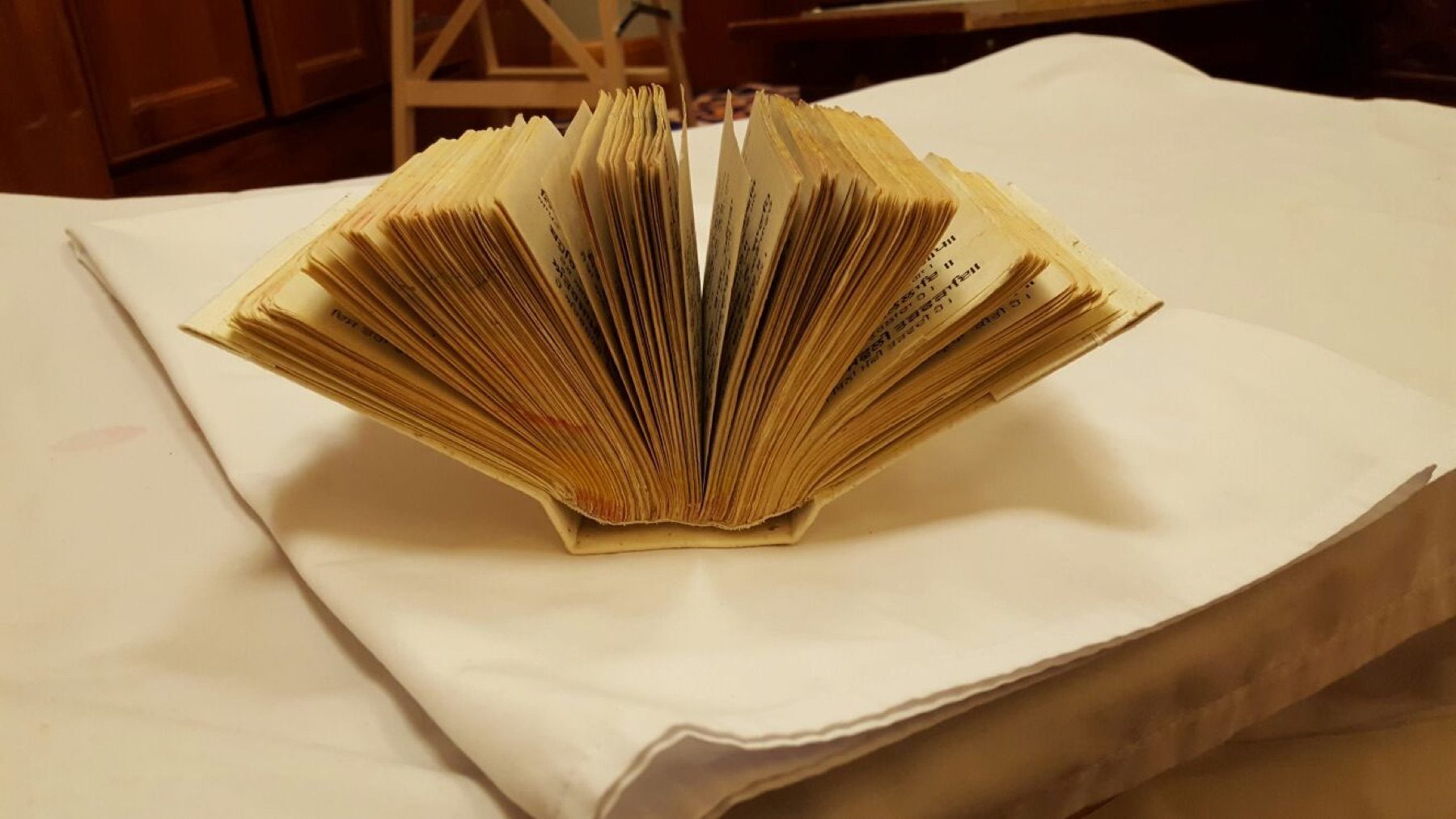
This Pothi arrived with a water-damaged cover, broken sewing and an old stab-stitch repair that stopped it opening. The original cover fabric was kept in full. The sections were resewn through their original holes, the spine lined, and an endband sewn through every section using a structure developed at Pothi Seva. Even the two cotton cords once tied to stop the boards opening too far were re-tied, at a kinder angle.
Request seva
If you are an individual or organisation with a Gurmukhi book, Pothi Sahib or Guru Granth Sahib Sarup in need of repair, this is the process.
Email or WhatsApp 5 to 10 photographs that show the damage and the overall condition of the book.
We reply with a time estimate and a conservation proposal describing what we would do and why.
We record the condition before any work begins, then carry out the treatment at one of our seva asthans.
The Guru Granth Sahib, Pothi or book is returned with a verbal or written record of the work completed.
From the bench
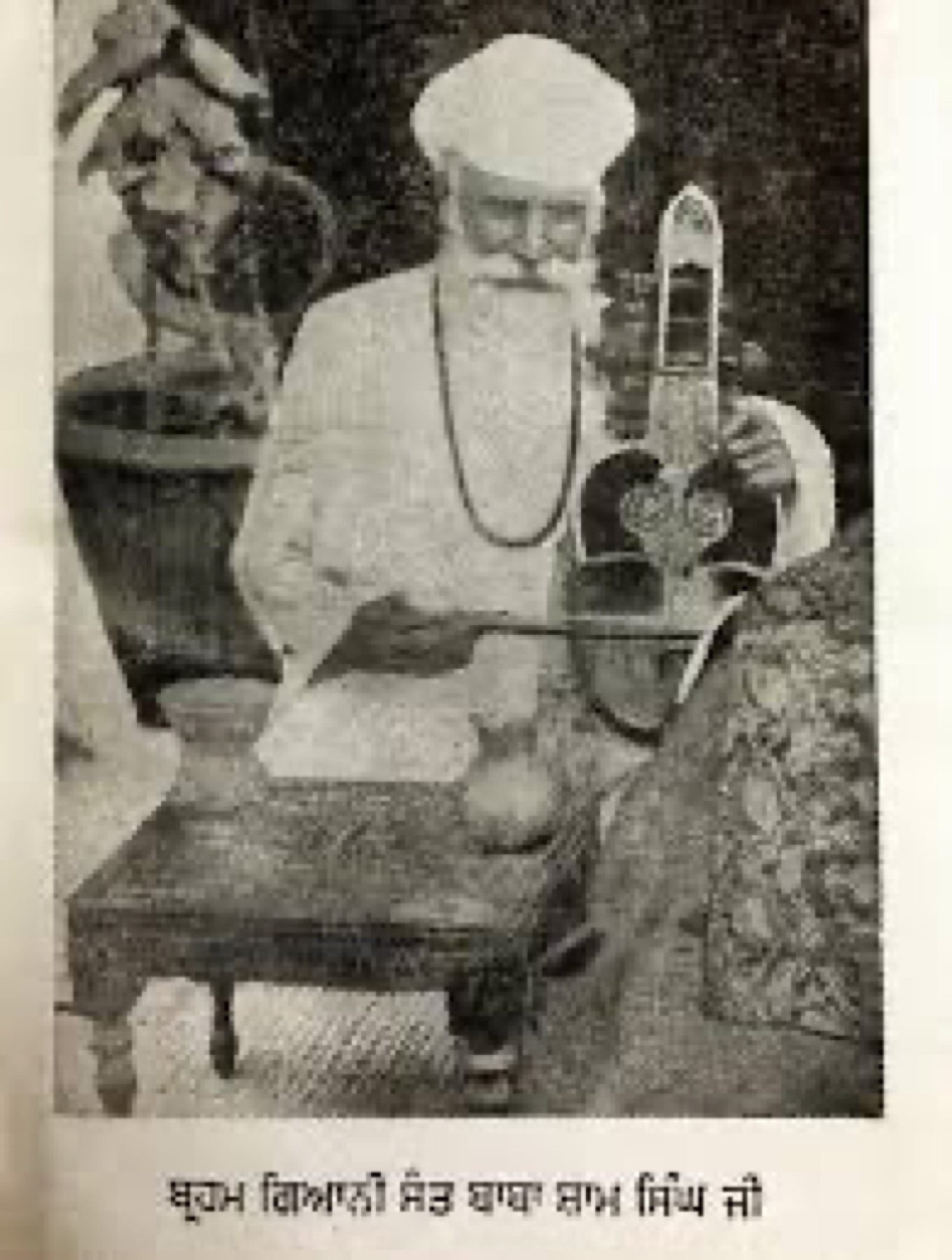
Baba Ji would always carry with them Hartaal, ink, bamboo pens, paper and levi. Whenever they saw an ang of Sri Guru Granth Sahib Ji requiring minor repair, they would do this immediately.
On Baba Shaam Singh Sevapanthi, from Sant Gatha (Major Prem Singh) and Baba Shaam Singh Ji (Daljit Singh Bedi)
Our origin
From Baba Buddha Ji, the first Granthi, to the Gianis who travelled village to village repairing Sarups, the care of Pothi Sahibs has always been seva. We work in that line, joining traditional methods with modern book conservation.
Our historical and philosophical originWhere we are
Each asthan sits inside a Gurdwara, so Pothi Sahibs stay within the Sangat throughout their treatment. Supervised seva sessions run weekly; new sevadars join on a Saturday first.
Research
ਧੰਨੁਸੁਕਾਗਦੁਕਲਮਧੰਨੁਧਨੁਭਾਂਡਾਧਨੁਮਸੁ ॥
ਧਨੁਲੇਖਾਰੀਨਾਨਕਾਜਿਨਿਨਾਮੁਲਿਖਾਇਆਸਚੁ ॥
Blessed is the paper, reed-pen, ink-pot and ink, blessed is the scribe; who inscribes truth.
Almost every Sikh manuscript was written on handmade paper, yet the papermaking traditions of the Panjab and the wider Indus river basin have never been technically described. Dhan Su Kagad, "blessed is the paper", began in 2018 with a research trip to Amritsar funded by the Frederick Bearman Research Grant, and has grown into doctoral research at SOAS, University of London.
About the project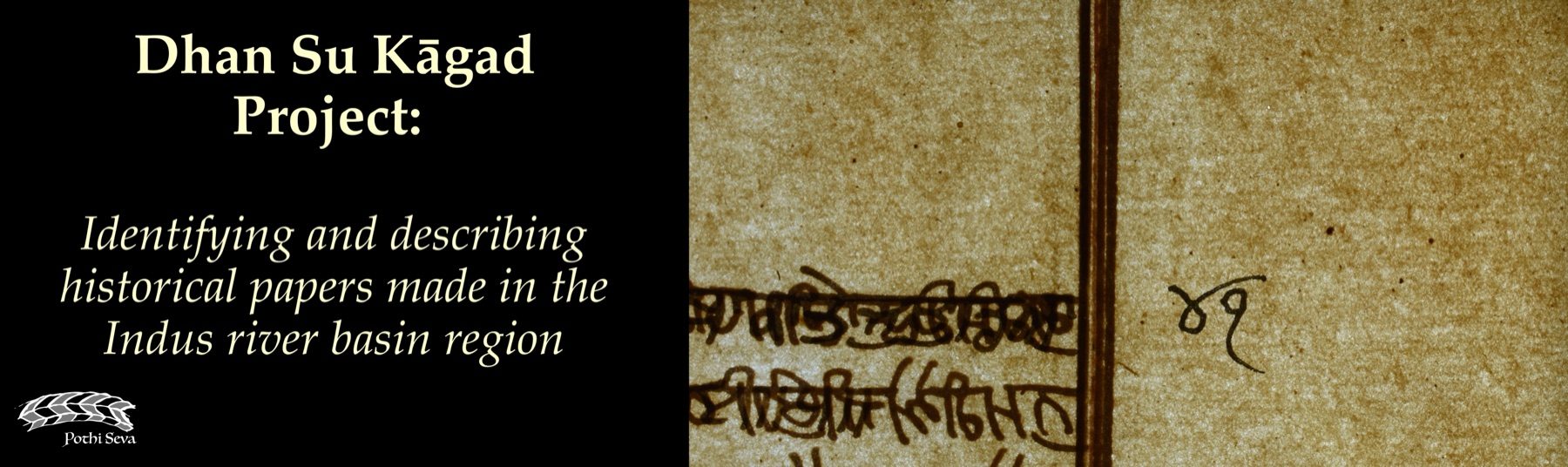
Journal
A Baba Shaam Singh Scholarship recipient on preserving Panjabi film heritage, and what old yatra footage can tell us about lost asthans.
Read
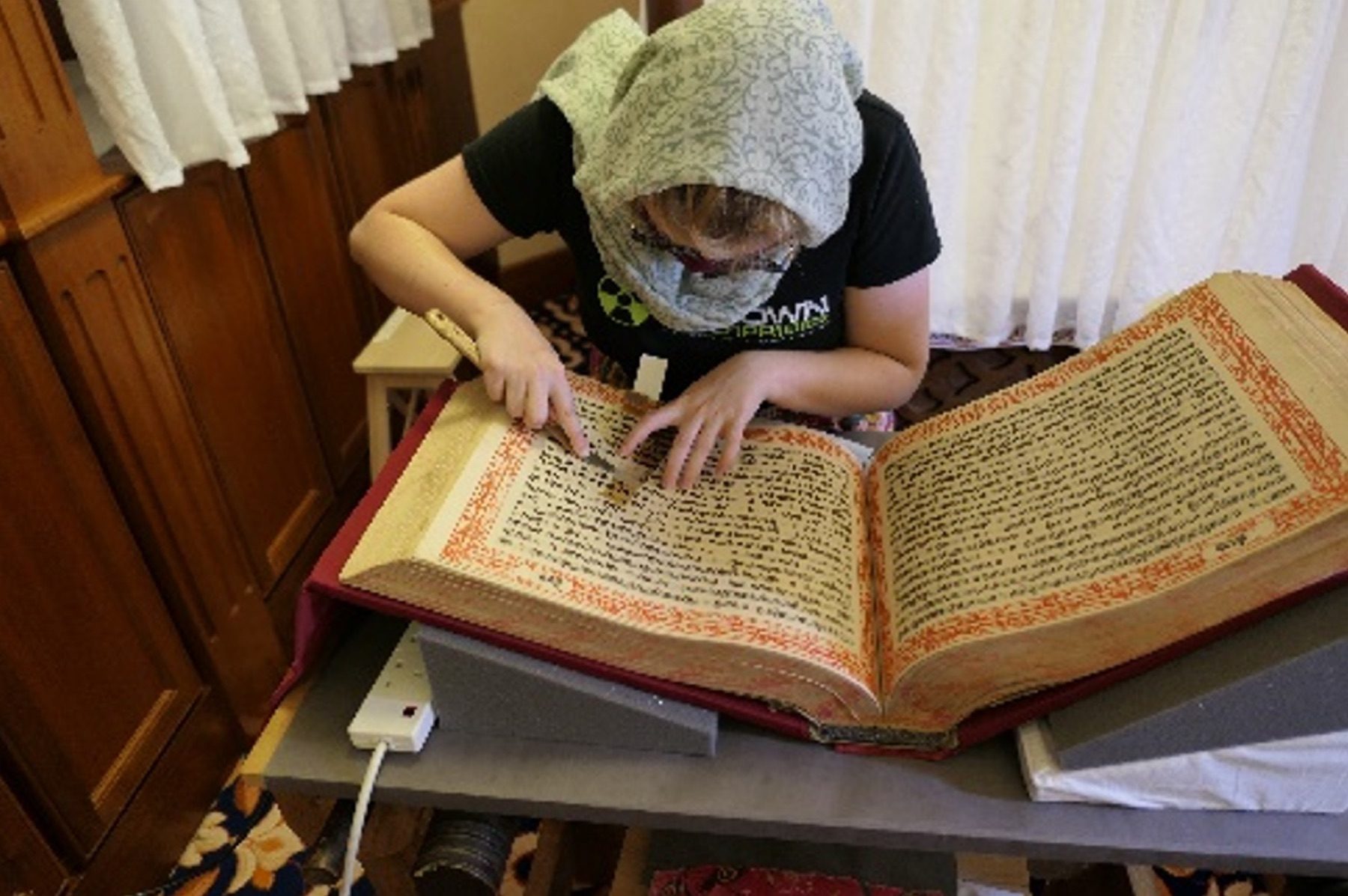
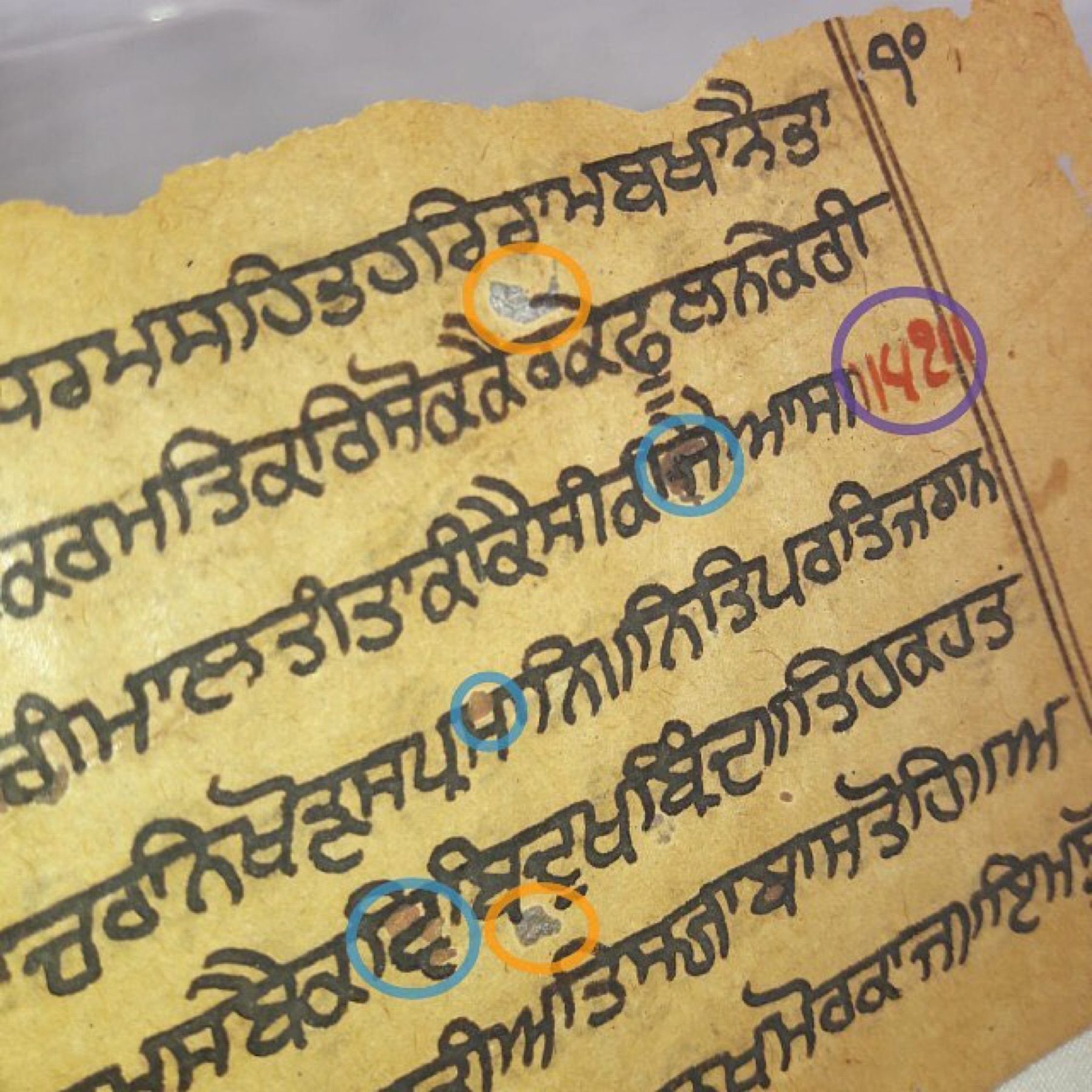
A book conservation graduate on working inside a Gurdwara, tape removal from an early 20th century Guru Granth Sahib, and building an 18th century binding model.
Read
Safflower, madder and cinnabar: the reds of Gurbani manuscripts, why some fade and some last, and what that meant to the scribes who used them.
ReadGet involved
Everyone is welcome, whatever your skills. Training, tools and materials are free. Sessions run every Saturday in Southall and Chandigarh; come weekly, fortnightly or monthly, for a few hours or the day.
Volunteer and membershipA regular standing order is the most useful gift. UK taxpayers can add Gift Aid. One-off donations are welcome from anywhere in the world.
Ways to giveThe Baba Shaam Singh Sevapanthi Scholarship funds training and research in Sikh heritage conservation. Five donors giving £16 a month make a £1,000 scholarship possible each year.
About the scholarship