
About
What is Pothi Seva?
A registered charity for the conservation (ਸੰਭਾਲ) and preservation of printed and manuscript heritage, primarily sacred texts from the Sikh tradition. Each team is made up of one professional book and paper conservator and a small team of trained volunteers (ਸੰਭਾਲ ਸੇਵਾਦਾਰ).
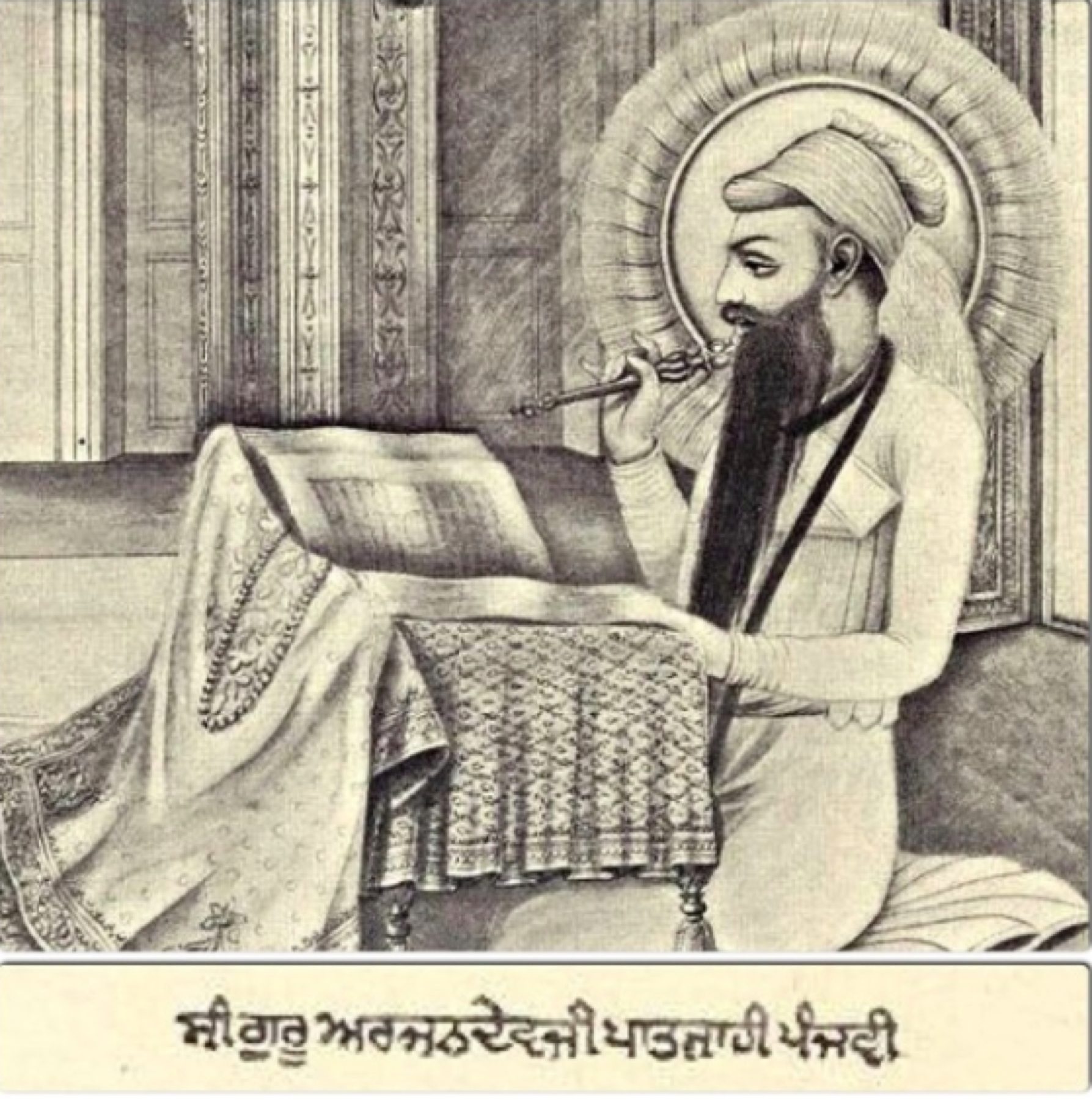
The meaning of Pothi Seva
'Pothi Seva' refers to any aspect of caring for Pothi Sahibs in the broadest sense. This goes back to the traditions and practices surrounding the care of the earliest written Gurbani, during the time of Sri Guru Nanak Dev Ji. The use of fabric wrappings, cushions and wooden supports are all practices which would have been observed in the earliest Sikh Dharamshalas. In fact, in all ancient traditions of sacred book creation, there are traditions and practices which are designed to protect sacred books from damage and decay. 'Pothi Sambhal Seva' refers to the techniques and methods used in the physical repair of Pothi Sahibs.
What is a Sambhal Sevadar?
A 'Sambhal Sevadar' is a person who repairs and maintains any type of Virasat (heritage). A 'Pothi Sambhal Sevadar' is a person who repairs and maintains Pothi Sahibs.
What we do
We provide a conservation service (ਸੰਭਾਲ ਸੇਵਾ) for repairing Gurmukhi Pothis and books. We provide preservation advice for individuals as well as Gurdwaras and institutions who are custodians of Gurmukhi Pothis and books.
The books that come to us are owned by individuals, families and communities rather than museums, so they are as varied in construction as they are in damage: Guru Granth Sahib Sarups, Dasam Granth Sahib, Guru Granth Sahib Bhaag, Sundar Gutkas and Nitnem Gutkas, lithographed and letterpress Pothis, and printed reference works such as the Mahan Kosh. The aim is always the same: a book that can be read comfortably and safely again, with the evidence of its history kept.
How we work
Our seva asthans sit inside Gurdwaras rather than in separate studios. Pothi Sahibs therefore stay within the Sangat throughout their treatment and are handled as Sikh practice requires: kept in a high place, covered with a Rumala Sahib when not being worked on, and rested on a Manji Sahib. Conservation is carried out by trained sevadars under the supervision of a professional conservator, and several people often work on one book over a long period.
Our methods draw on two sources at once: the Sikh parampara of Pothi Sambhal Seva, with its handmade papers, wheat-starch paste and twined endbands, and the research-based approach of modern book conservation. Every treatment is documented before work begins and a record of the work returns with the book.
Governance
Pothi Seva is a registered charity in England and Wales, number 1198623. Trustees receive no payment. The way the seva is organised, from membership to sessions to the training of sevadars, is set out in our constitution, the Sambhal-Nama, which anyone applying for membership is asked to read first. Sevadars from every background are welcome regardless of sex, race, religion or ethnicity.
Glossary
Words you will meet on this site
Short, plain definitions. Pothi Seva uses the spelling Panjab, as the community does.
- Pothi Sahib ਪੋਥੀ ਸਾਹਿਬ
- A book or volume of sacred text. 'Sahib' marks respect.
- Sambhal ਸੰਭਾਲ
- Care, maintenance, looking after. Pothi Sambhal Seva is the physical repair of Pothi Sahibs.
- Sevadar ਸੇਵਾਦਾਰ
- One who does seva, selfless service. Our volunteers.
- Sarup ਸਰੂਪ
- A physical volume of Sri Guru Granth Sahib.
- Ang ਅੰਗ
- A page of Sri Guru Granth Sahib. Literally a limb, because the Guru is treated as a living body, not an object.
- Gutka ਗੁਟਕਾ
- A small hand-held prayer book, such as a Sundar Gutka or Nitnem Gutka.
- Jild ਜਿਲਦ
- The binding or cover of a book.
- Asthan ਅਸਥਾਨ
- A place. A Seva Asthan is one of our workshops; a Gur-Asthan is a historic Sikh site.
Next step
Request seva, or come and join a session
Email or WhatsApp us photographs of a Pothi Sahib that needs care, or come along on a Saturday. Everyone is welcome.